When companies sign with an outsourced outbound partner, the contract usually fixates on one number: meetings per month. It feels concrete, so it ends up as the whole agreement. Then three months in, the meetings are low-quality, the domains are getting flagged, and nobody can point to the clause that was supposed to prevent it, because that clause was never written.
A good outbound service-level agreement (SLA) is not a wishlist. It is a small set of measurable commitments that predict whether the engagement will actually produce pipeline, plus a few protective clauses that keep a vendor from borrowing against your brand to hit a short-term number. Here is what belongs in it.
Start with leading indicators, not just meetings booked
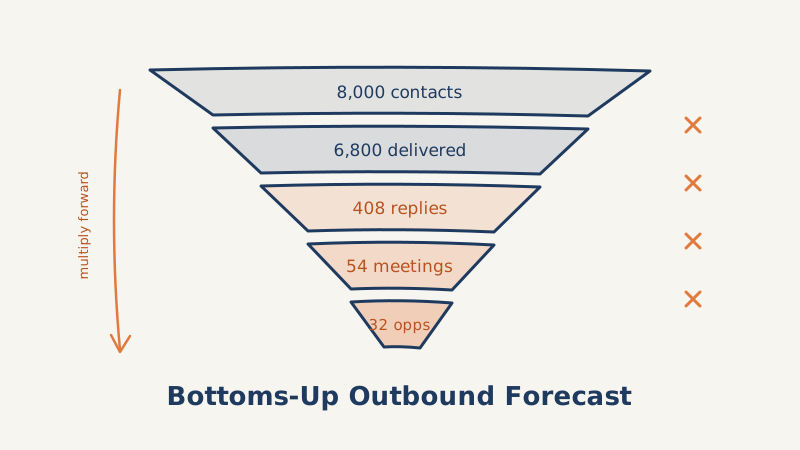
Meetings booked is a lagging indicator. By the time it is wrong, you have lost a quarter. A real SLA pairs the outcome metric with the leading metrics that produce it, so problems surface in week two instead of month three.
The leading indicators worth committing to:
- Sending volume and ramp schedule. How many contacts per week, and how that scales from a warmed start. A partner promising full volume on day one is telling you they plan to burn your domains.
- Reply rate and positive-reply rate. Total replies catch interest and objections both; positive replies are the real signal. A floor on positive-reply rate forces quality, not just send count.
- Data accuracy / bounce ceiling. A hard cap on bounce rate (more on this below) keeps the list honest.
- Speed to follow-up. How fast a positive reply gets worked. A meeting that sits for two days is a meeting lost.
Tie the meetings-booked target to a definition of a qualified meeting (title, company size, expressed need) so you are not paying for no-shows and tire-kickers.
Put a bounce ceiling in writing
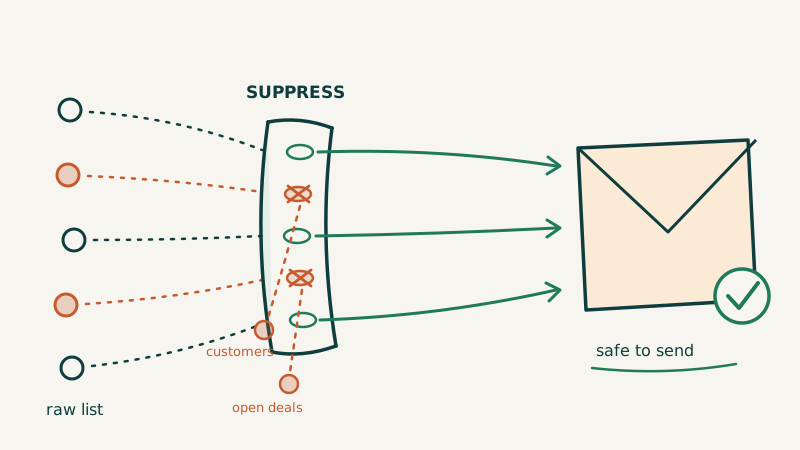
This is the clause teams skip and regret. Outbound runs on your sending domains and your reputation. If a partner mails a dirty list, your bounce rate spikes, your domains get throttled, and the damage outlives the contract.
Write a maximum acceptable bounce rate into the SLA, commonly in the low single digits, and require list verification before each send rather than after. The mechanism matters: ask how they verify, and make sure catch-all domains are actually resolved rather than waved through. A validation layer like Scrubby that confirms whether a mailbox is real before the send is the difference between a list that looks clean on import and one that stays clean in the inbox. Make the bounce ceiling a remediable breach, not a footnote: if it is exceeded, the partner pauses, re-verifies, and absorbs the cost.
Define who owns the infrastructure, and who pays if it burns
Outbound at scale uses secondary sending domains, dedicated inboxes, and a warmup process. The SLA should state plainly:
- Who owns the sending domains (you should, so you can leave without losing them).
- Minimum warmup period before a new domain carries cold volume.
- A cap on volume per inbox so no single mailbox gets torched.
- What happens to reputation if it degrades: who diagnoses, who fixes, who pays.
If you are early stage, protecting these assets is protecting runway. The whole reason many teams outsource outbound before Series A is to build pipeline without setting fire to the domains they will need for years. The SLA is where that protection becomes enforceable instead of assumed.
Reporting cadence and the data you get to see
A vendor that only reports meetings is hiding the funnel. Require a weekly report with the leading indicators above, and require raw access (the actual sequences, the actual reply threads, the actual bounce log), not just a summary slide. You are not micromanaging; you are making sure the number is real and the methods are not going to backfire.
Set a standing weekly check-in in the SLA, with a defined escalation path when a metric misses two weeks running. The cadence is the early-warning system.
Brand and compliance guardrails
Your name is on every message. The SLA should require copy approval (or at least a brand-voice guide the partner commits to), prohibit specific tactics you will not allow, and assign responsibility for compliance with the relevant email and privacy regulations in your target markets. Name who is liable if a complaint or a regulatory issue traces back to a sequence.
An exit clause that returns your assets
Finally, write the breakup before you need it. On termination, you should get your domains, your verified contact data, and your sequence performance history back. A partner that makes leaving expensive is a partner you will overpay to stay with. A clean handoff clause keeps the relationship honest while it lasts.
The takeaway
A strong outbound SLA is short but specific: leading indicators that predict pipeline, a bounce ceiling backed by real verification, clear ownership of the sending infrastructure, a reporting cadence you can audit, brand and compliance guardrails, and a clean exit. Get those six in writing and the meetings-booked number takes care of itself, because everything that produces it is now measured and protected. Sign on meetings alone, and you are trusting a vendor to look after assets the contract never told them to protect.